

there's something about marcello hernández
latino masculinity on screen: let's talk about it!

I don’t often gravitate towards men, male celebrities, or artifacts of cis-male culture. I do however, famously, love one man (my partner) and I love thinking about masculinity. But for this week’s “little treat,” I’m spending some time with an up-and-coming guy in the culture who has caught my eye: featured SNL cast member Marcello Hernández.
As a theater kid at heart, I was briefly obsessed with Saturday Night Live and I used to fall asleep listening to the oral history. I owned a DVD copy of The Women of SNL compilation, impersonated Kristen Wiig and Amy Poehler with friends, and re-read the Maya Rudolph Bust cover interview (2012) roughly 100 times. This is all to say that SNL is a fairly significant, though dormant, facet of my cultural DNA. And as a sometimes SNL expert, I consider the program to be a persistent feature of contemporary culture. While many today lament the SNL days of yore, it’s maintained its dominance as Hollywood’s comedy “taste-maker.” Indeed, SNL christens comedy stars and reflects modern comedic sensibilities. If we can laugh together, as a culture, we have something in common. It is true however that with the demise of televised monoculture stemming from the streaming era, it’s become increasingly difficult for SNL stars to make a big splash and hold the public’s attention.
Like the Olympics viewership, SNL viewership has suffered in the era of streaming now that we have a myriad of choices of media, rather than just a few on a given Saturday night. SNL frequently suffers from the “not like it used to be"-isms and accusations, with viewers harkening back to the “comedy greats” like Chris Farley, Dana Carvey, Eddie Murphey, Will Ferrell, Amy Poehler, Molly Shannon, Maya Rudolph, Tina Fey, and others. While many of these comedians are truly irreplicable gems, these accusations are often misguided and blurred by hindsight. When we think back on SNL in the past, we are inevitably cherry-picking the handful of sketches that rise to the top. The reality is, a weekly hour-long sketch comedy show is going to have more duds than winners per week because of the nature of creative production and the limits of time.
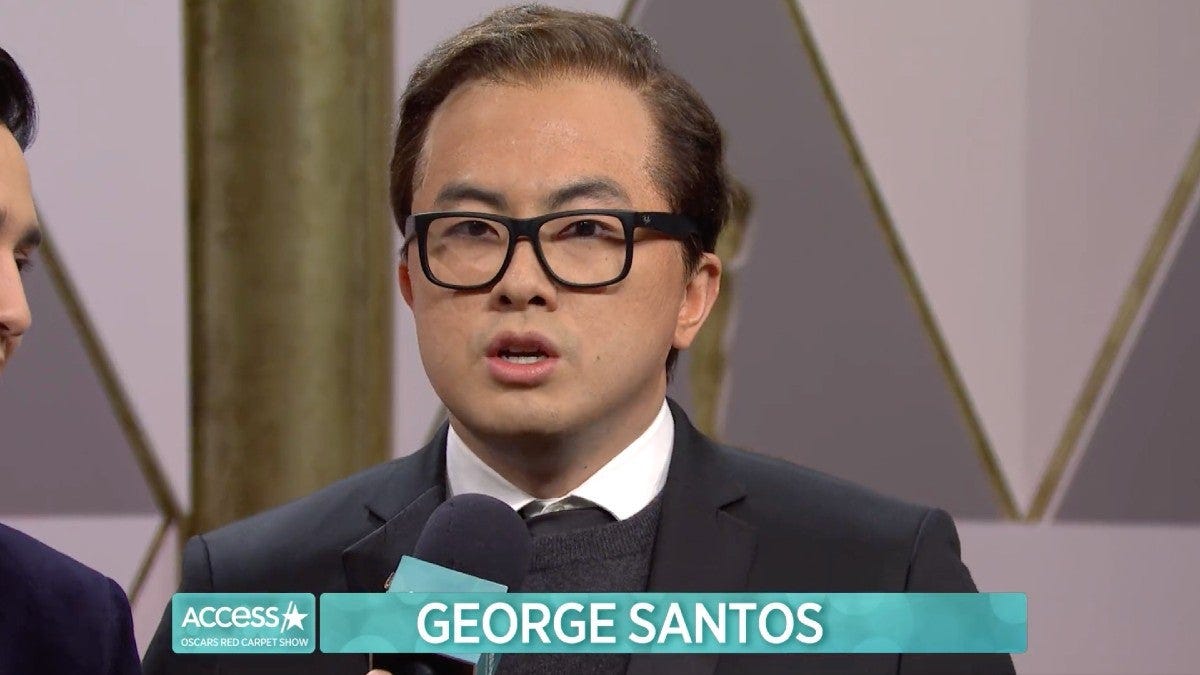
All that aside, it has been a true pleasure to see SNL stake out cultural relevancy in the contemporary moment, and in the past season I attribute this to a few key players: Bowen Yang as the truly disastrous disgraced former congressman George Santos, and the introduction of Marcello Hernández, a short king from Miami.
At it’s best, SNL keys into facets of contemporary culture with playful, sometimes incisive, good-natured honesty. An example of this is the SNL digital short with Andy Samberg and Chris Parnell “Lazy Sunday” (2005). In the sketch, Parnell and Samberg sing-rap about the events on a so-called lazy Sunday, where you might wake up late, get brunch, and go to Color Me Mine to paint a mug, or something. This sketch was everywhere on the internet, and sustained relevancy up to the mid-2010s.
Another kind of successful SNL sketch is when the performers and writers are able to craft a character that has well-defined idiosyncrasies in image, speech, and tone. Examples of this would be Rachel Dratch as “Debbie Downer,” The Lonely Island’s “Dick in a Box” sketch, or the recent “Lisa from Temecula” featuring the brilliant Ego Nwodum.
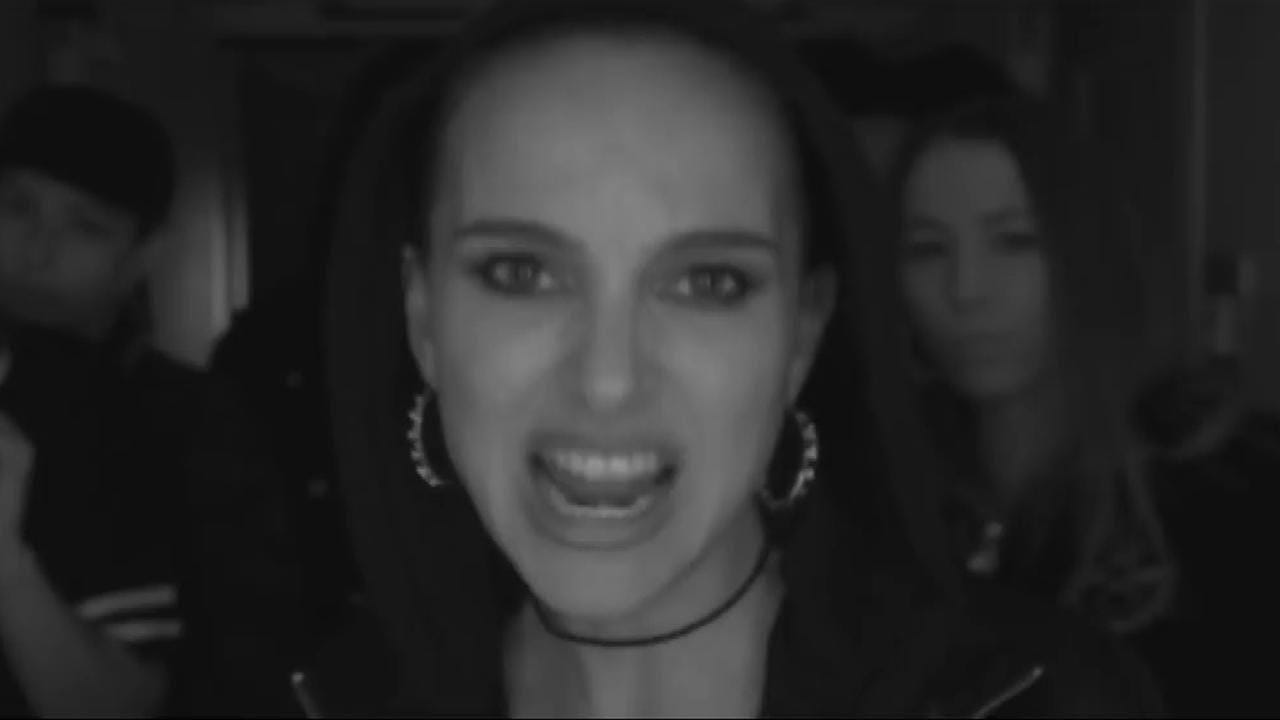
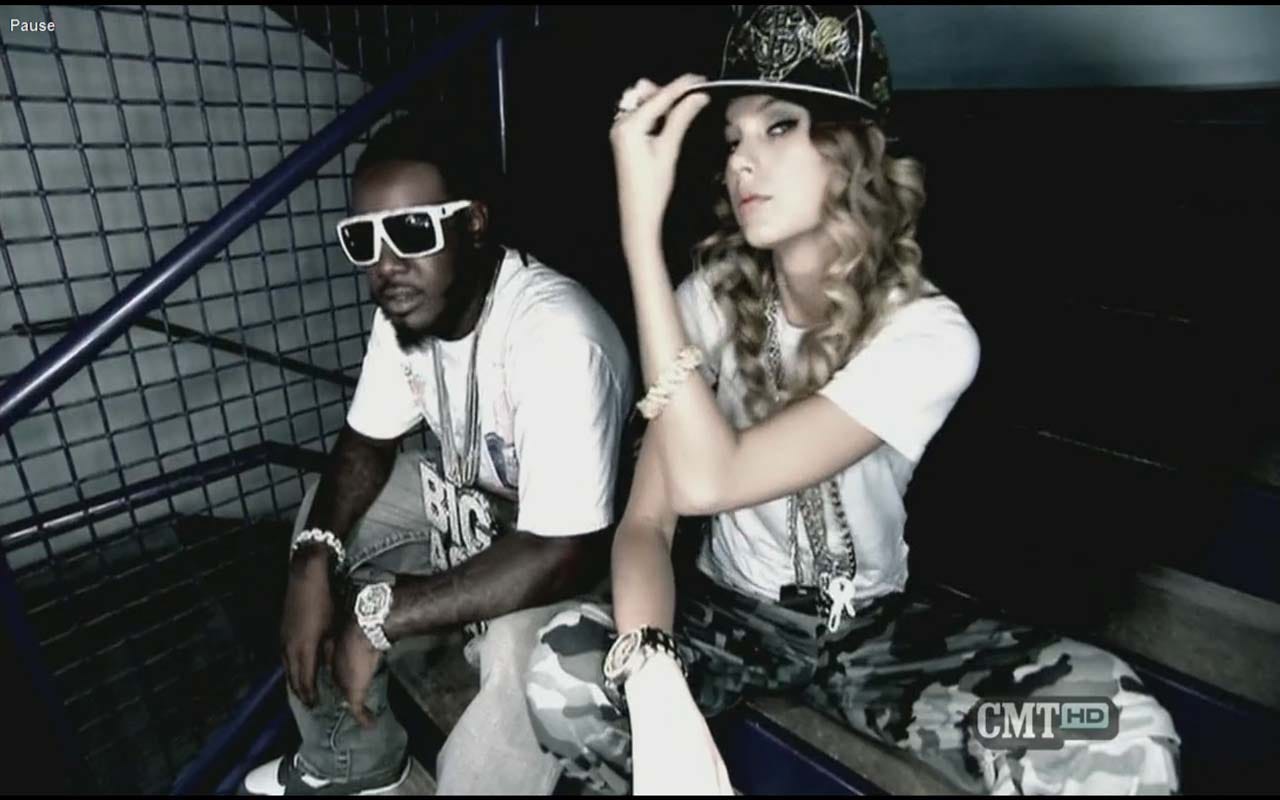
Historically, SNL has featured predominantly white players, which causes them to run into issues ranging from racist stereotypes, to white actors playing people of color, to sketches that rely on “ironic blackness” as a comedic trope. “Ironic” racial performance is, in my opinion, the most common offense in the 21st century SNL world. A prime example of this is the aforementioned “Lazy Sunday” digital short: the humor emerges from white “nerdy” actors taking on “black” aesthetics like rap. They often used this trope with white women celebrity guests like Natalie Portman in “The Natalie Portman Rap” and Taylor Swift’s rap with T-Pain (not on SNL but utilizes the same kind of humor), where she was called “T-Swizzle.” At first glance, this appears harmless. One could argue that the white actors are “poking fun” at their own nerdiness and whiteness. But ultimately this kind of humor reifies black aesthetics as emblematic of extreme difference or abnormality, which in turn reinforces white femininity, in the case of Portman and Swift, as pure and dainty, or white masculinity, in the case of Parnell and Samberg, as harmless.
For the sake of time, I won’t detail SNL’s extensive history with race and representation. But I believe overall that SNL operates as a microcosm for race, representation, and stereotype, with a core challenge being that comedians of color struggle to get “outside of” race, often their experiences considered “too specific,” most especially when they don’t often have writers that can write smart social critiques with them. This creates a dynamic where white players are allowed to talk about race “ironically” but players of color aren’t afforded the same kind of representational mobility. Another example of this limitation plays out in the ways in which SNL frequently utilizes impressions to satirize pop culture and politics, and given that those arenas in the U.S. are also largely white, comedians of color can struggle to find subjects to imitate who are “mainstream enough” to capture SNL’s M.O.. Actor Bowen Yang has discussed this in relation to his audition, where he pushed himself to find Asian cultural stakeholders to imitate. As a result, he devised a highly imaginative, or in his words “esoteric,” impression of New York Times book critic Michiko Kakutani.
Cut to: Marcello Hernández. Hernández, 26, is a Gen-Z comedian from Miami, who is Cuban on his mom’s side and Dominican on his dad’s side. His stand-up outside of SNL often discusses his race and ethnicity. In one routine, Hernández references his appearance: “I look WHITE dude. I look like I tell my mom to ‘Shut up.’ I could never do that. I have a Cuban mom that escaped communism. And I only know that because she told me every day. ‘Just remember,’” he dons a Cuban accent, “‘I free you. Every day.’” Hernández is able to capture something about the slippery-ness of Latinidad—it is an ethnicity, and not a race, though it interacts with racial scripts and is often racialized in our interactions with social and political institutions. This also means that Afro-Latinx or Asian Latinx people are considered phenotypically excluded from Latinidad, and in this way the category is simultaneously polymorphous and extremely narrow. And, he makes this point in a funny way, calling out how white families don’t have the same generational deference often found in Latinx and immigrant households alike.
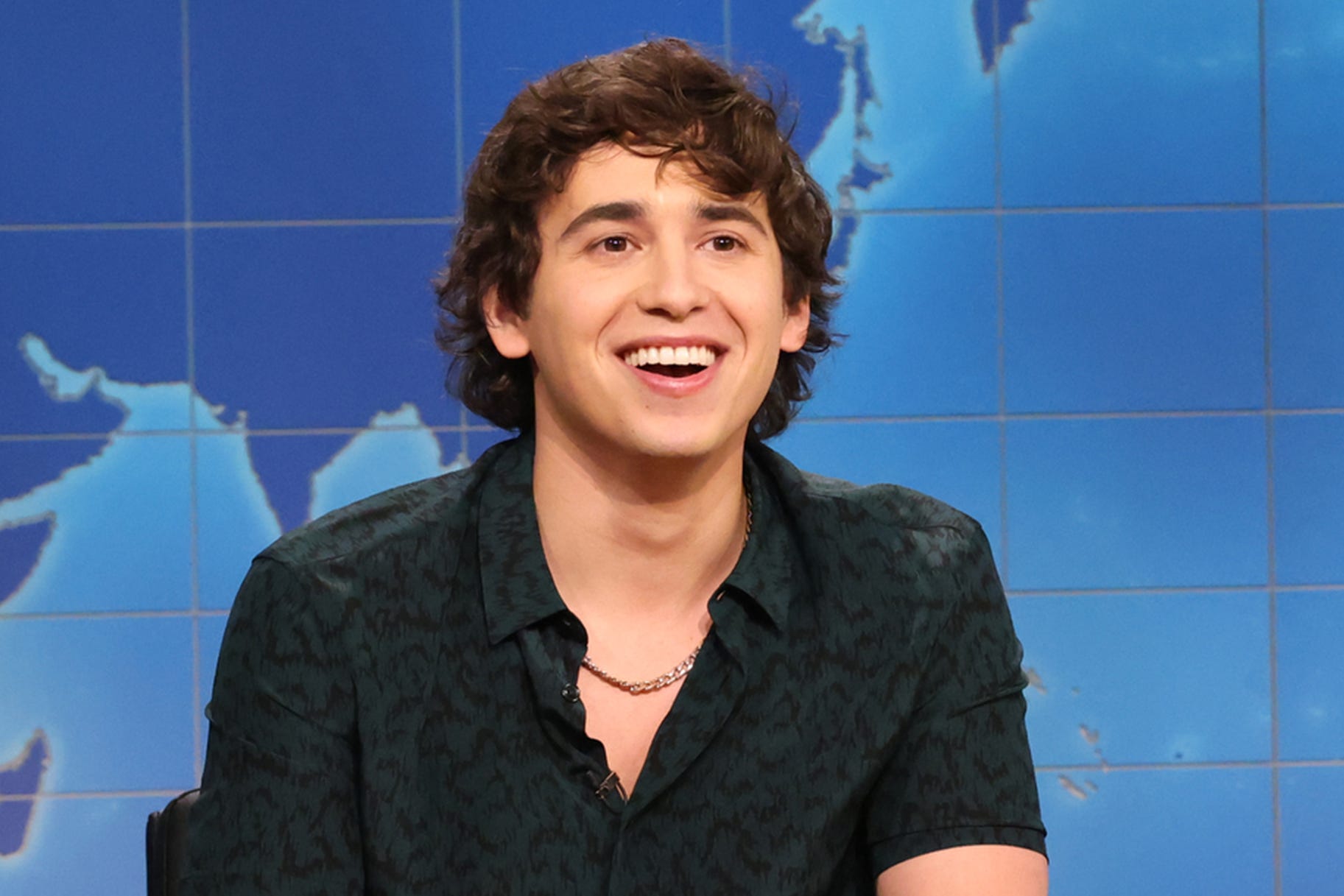
There is a physical element, too, to Hernández’s blend of comedy. He is light-skinned, potentially white passing (depending on who you ask—for what it’s worth, he looks Latino to me), and a self-described “short king” (he’s 5’ 7” *shrugs in 5’ 1”*). He frequently uses accents and exhibits a Jim Carrey-esque facial plasticity. Hernández often flicks his tongue, looks away from the camera sheepishly, and throws his whole body into his work. In one visit to the SNL “Weekend Update” desk, for example, Hernández impersonates a baseball player, sticking his butt out at bat, and swiveling his hips.
There have of course been several actors of color on SNL. But Hernández is interesting to me because there have been very few Latinx actors period, and also few new cast members nowadays catch the public’s eye as much as Hernández has. It’s this intersection that interests me. Simply put, he’s the first Latino male rising star we’ve had in quite some time.
The recipe for a great SNL star depends on their ability to forge a “signature” comedic style without it feeling stale. The true test of this, for me, is if an actor can make me laugh with only 1-2 lines in a sketch, because this means they have a “signature” (as a viewer I have expectations) and execution (a combination of consistency, physicality, and point of view). What I find exciting about Hernández are the central yet dynamic themes that are already emerging from his repertoire. He’s visited the “Weekend Update” desk to discuss baseball, what it means to be a “short king,” as the “New York City Earthquake,” and has been featured in sketches with Ryan Gosling as a club-going Cuban papi, or opposite Pedro Pascal’s interpretation of a doting Latina mom (his first viral sketch). In each of these instances, he’s able to build from his awareness of his body, background, and own humor to genuinely make us laugh about certain manifestations of masculinity.
The first dose of Marcello that piqued my interest was Hernández’s visit to “Weekend Update” to discuss the unprecedented rise of clinical depression in men. “To understand why men are depressed, we have to first talk about women. And I understand women,” Hernández begins, offering a sarcastic, yet knowingly flirtatious grin. Hernández often lingers dangerously close to the “Latin lover” stereotype, yet never fully takes up the role. After this grin, he shakes off his Cuban Papi voice and speaks plainly:
Hernández: I was raised in a household of women. When I was growing up, it was me, my mom, and my sister, and then in high school my mom’s best friend and her daughter moved in, so it was just me and four women. And when that happens to you Colin, when it’s just you and four women, you have no choice—
Jost: —But to become the man of the house.
Hernández: WRONG. To become a woman. I was a woman for many years, Colin. A proud Latina woman. (Here he takes on a "Cuban Mami voice).
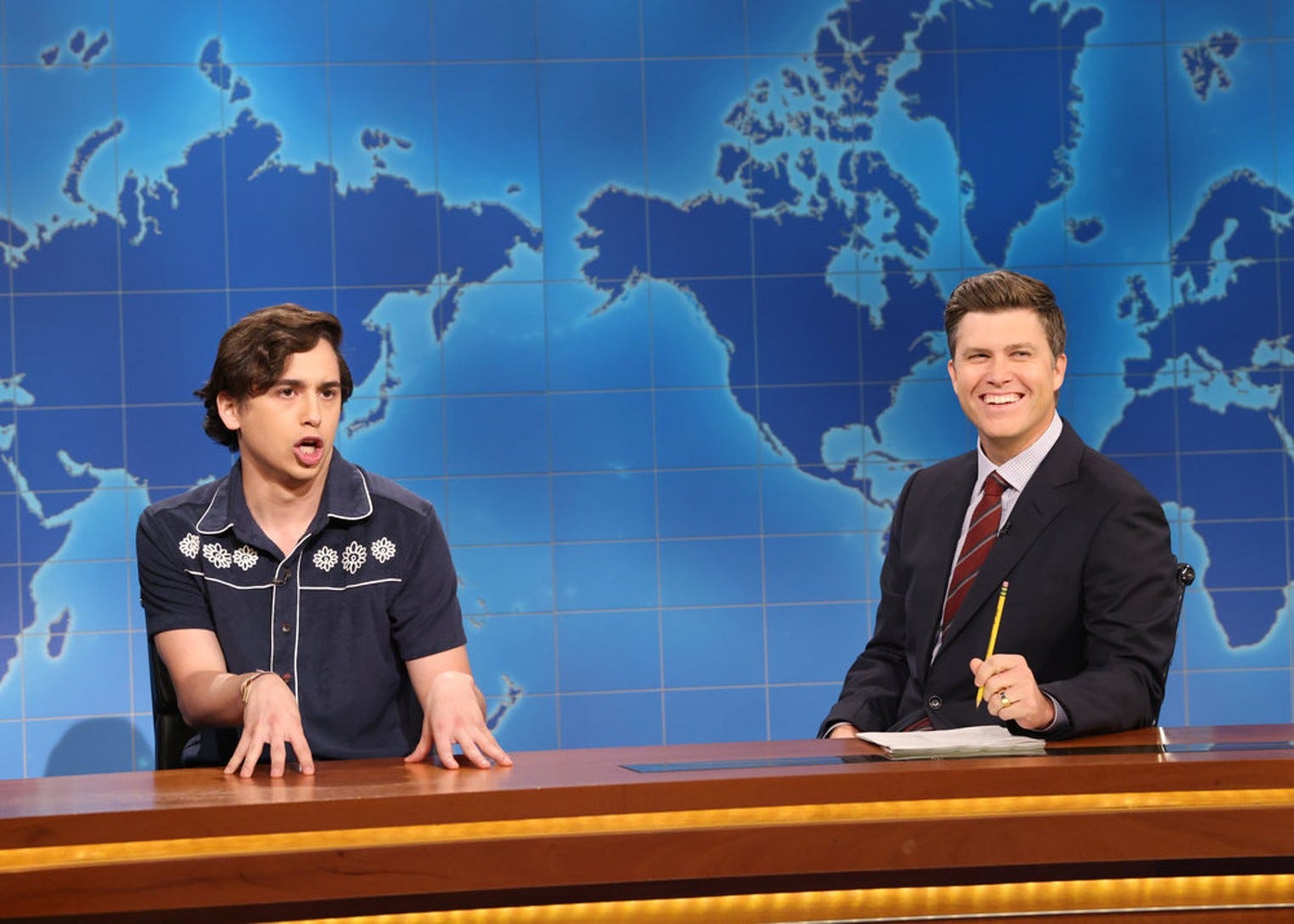
Hernández goes on to describe how he grew up learning that women support each other. He tells us how his mom would get dressed up and he would tell her, “You look amazing, Mami, as a matter of fact, do me a favor: you go back into your room and come out again!” He uses this as a springboard to argue that men are depressed because they don’t know how to support each other. “A girl will tell her best friend that she’s dating a man who robs banks and her friend will be like, ‘Well, at least he has a passion.’” The crowd eats it up—because we know it’s true. He adds, “That’s why I don’t go to the barbershop anymore, it’s a negative energy in there. I go in there and the dude’s like, ‘Look who it is! We already told ya buddy, we can’t make ya taller! That’s why a little prince like me goes to the salon.”
And Hernández is really onto something. Men, for the most part, are not socialized to confide in their friends or be vulnerable about their experiences. But men are people like anyone else, and need to learn how to be gentle with themselves. Men are insecure about their bodies, their haircuts, their height, their dating life, their jobs, and the list goes on. And yet as a culture, men still interact with each other through derisive humor, teasing, trolling, and avoiding difficult emotions with their friends for fear of seeming weak and feminine.
Hernández’s bread and butter is the way that he puts his soft underbelly on display on SNL. And the people are EATING. IT. UP. If you look at the TikTok comments, it’s nothing but a sea of women commenting things like: “I need him biblically,” “He’s so babygirl,” and “Marcello can understand me that’s for sure.” It’s not even that Hernández is “written by a woman,” an internet phrase often used to refer to an “evolved” kind of masculinity that has heterosexual and bisexual women in mind. I’m so confident that if you show his jokes and sketches to most men, they will feel that Hernández strikes a chord in them.
Another noteworthy collaboration for Hernández was during Timothée Chalamet’s opening monologue, when the two performed a “Babyface” rap. Returning to “ironic blackness” as a longstanding trope in SNL’s repertoire, this rap felt like a departure from the days of Parnell, Samberg, Portman, Swift, and others. Part of this reading requires some context for Chalamet: Chalamet, 28, is a native New Yorker who attended the famed La Guardia High School of Music & Art and Performing Arts (alums include Nicki Minaj, Jennifer Anniston, Al Pacino, and Eartha Kitt, to name a few). During Chalamet’s tenure at said high school, he performed a “rap” as “Lil’ Timmy Tim” (the name could be some variation of this, but I honestly couldn’t bring myself to fact check). A video of his performance, if we can call it that, lives on like a cockroach, impossible to squish, lingering in the dark corners of the internet, maybe for eternity.
So when Chalamet began his “rap” on stage at SNL for his opening monologue, I was aware of the ways in which Chalamet appeared to poke fun at his own cringey digital footprint, and perhaps a time in the past when he found it funny to perform ironic blackness. Joined by Hernández, the two began a rap about their bodies, and their own identities as “short kings.” “This one goes out to all the dudes with a babyface,” Chalamet announces. “Shout out Justin Bieber, shout out Bruno Mars lil’ ass,” Hernández adds. “I got a babyface,” they sing-rap, “but my hips don’t lie/ I’m a bad kid, bitch/ I’m a bad guy/ I got a babyface/ but I’m hung like my dad/ Trust me baby, I’d be the best you’ve ever had.”
Admittedly, I am not the prime audience for this kind of rap. I don’t care about these cis-men as imagined or potential erotic figures. However, I care about masculinity, and I felt like they were onto something.
It bears noting that because Hernández is light-skinned, and sometimes white-passing, he is able to occupy a “non-threatening” masculinity because he is not black. In this way, he approaches the racialized logics of “ironic blackness.” At the same time, Hernández is not white and therefore is perceived as hypersexual to the white imagination. Dominant society projects all kinds of sexual fantasies onto Latino men—of being virile, sexually voracious, and sexually available—while simultaneously considering them “failed men” because of their race. I’m thinking here of Amy Schumer, when she joked that she “doesn’t date Hispanic guys” because she “prefers consensual sex.” A long-running gripe of mine is the ways in which white women frequently chastise machista culture as if it is worse or unrelated to patriarchy writ large. Indeed, many ideas about “machismo” are racist in the sense that they conceive of Latino men as exceptionally unthinking, irrational, violent, and domineering. This, too, projects a deviant sexuality onto Latino men. In my calculations, very few people actually fit into the “idealized” model of masculinity: upper-class, able-bodied, cisgender, U.S. citizen, white males. However, Latino men will never achieve inclusion in this category because of their proximity to legacies of alien citizenship, with its connotations of contamination, perversion and pathology (here I’m thinking of scholars Mae Ngai and Deborah Vargas).
Of course, we can absolutely read this rap as a way in which Chalamet and Hernández utilize distance from blackness to assert their own sexuality as desirable (in this formulation, blackness is utilized as an abject and undesirable sexuality, so by contrasting themselves to blackness, the men are positioning themselves as more desirable, or reasserting their masculinity by utilizing blackness as an inferior position). But we could also read the pair in a different way, which is that they use the rap to critique the sheer unattainability of idealized masculinity. Through their lyrics, they illustrate how fragile and narrow idealized masculinity is, that short men, even those who are white and white-adjacent, are constantly bombarded with the fear that their power can be taken from them at any moment. And that’s the issue with our current formulation of masculinity: it rests on the accumulation of power as if it is a resource to be bought, won, and lorded over others. Gender of course is a language of power, but power is not inherently bad or good. Rather, gender activates a flow of power that has the potential to do a lot of cool things, like to bring pleasure, or nurture, or forge community.
I find Hernández, despite, and maybe even because of his complexities, to be prodding open contemporary formations of race and gender, and doing so in productively silly ways. And so, I offer him to you, dear reader, as a potential Latino rising star. I can’t promise he won’t turn out to be problematic—I’ve almost entirely given up hope for my Latino faves. But he’s got something going on! He has perhaps the most appealing Latino energy since Benjamin Bratt ate that Milky Way in Miss Congeniality, and that’s high praise.1 Matter of fact, let’s get this guy in a room with Benjamin Bratt! I wanna see them working on a father-son buddy comedy by 2025! Let’s make it happen people. Post your buddy comedy and/or ROM COM (?!!??!) concept pitches in the comments. Get in losers, we’re manifesting positive, diverse, and soft-bellied Latinx masculinity for 2024 and beyond!
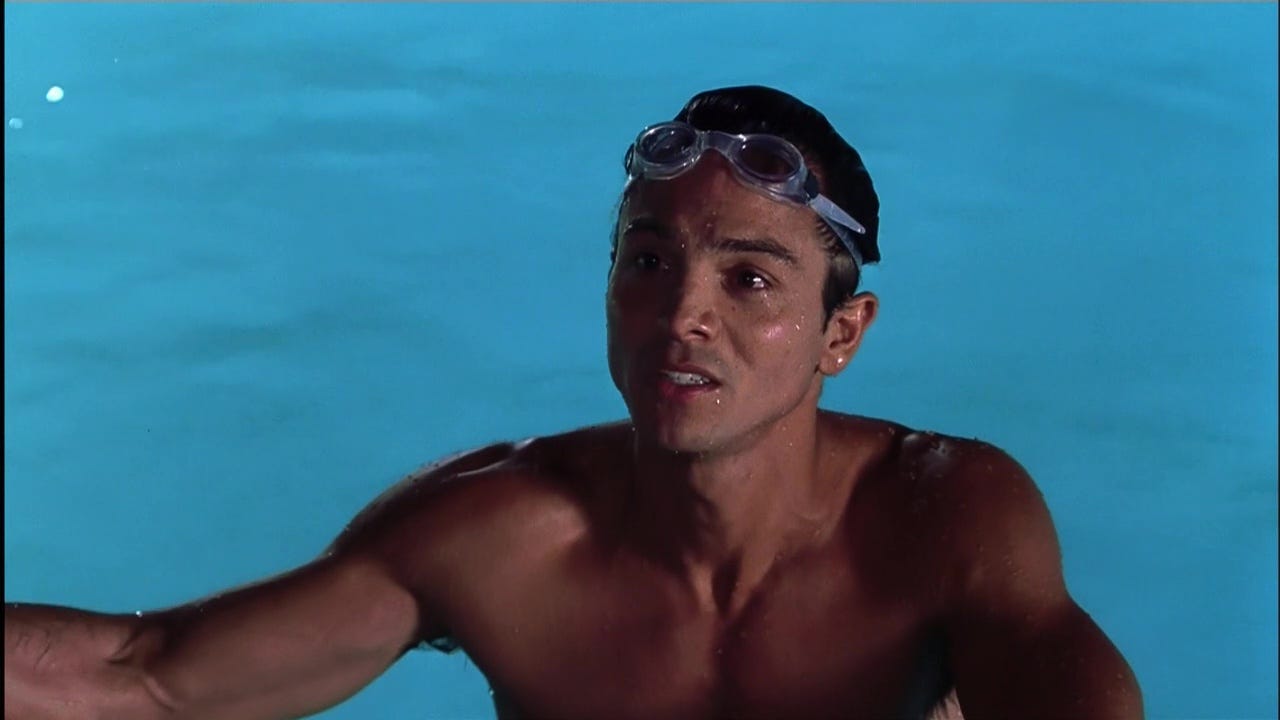
Here’s a funny thing about me: that scene was my sexual awakening. Go figure! Also yes, I did rewatch the scene for this post to see if it was a Snickers bar or a Milky Way. Try and prove me wrong, I dare you!
Great piece. I assigned it to the students in my Latinx Media class at USC this semester!
Sofi, you’ve done it again!!!